

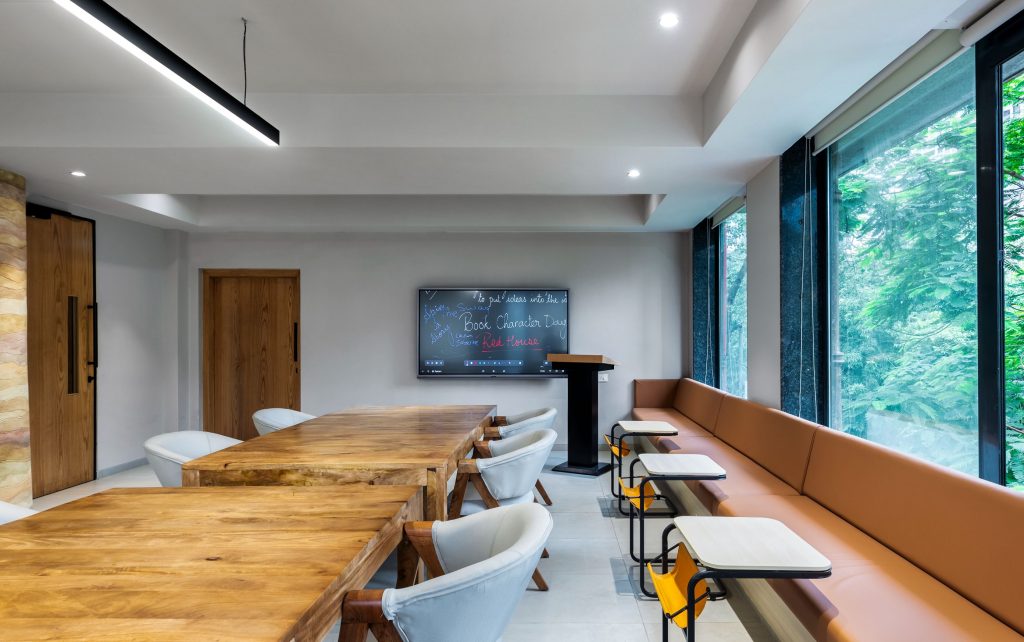
Interior design is more than arranging furniture or choosing colors. It is about shaping spaces that influence how people live, work, and interact. For anyone seeking to professionalize their skills, a structured program in diseño de interiores provides the foundation needed to master both the artistic and technical sides of this discipline. A one-year vocational program gives students a fast yet comprehensive entry point into the professional design world.
At the same time, location matters. Miami is a dynamic hub for art, architecture, and cultural innovation. Studying at Istituto Marangoni Miami means joining a global network of design professionals, faculty, and alumni who are actively shaping the industry. With connections to Milan, Paris, and London, the school combines international expertise with the local energy of Miami’s design market.
Why interior design education is essential today
The built environment affects everything from productivity to health. Designers today must combine creativity with knowledge of codes, ergonomics, and sustainability. Education in diseño de interiores ensures students can:
-
Translate creative vision into buildable solutions.
-
Collaborate effectively with architects, engineers, and clients.
-
Use software tools such as CAD, BIM, and 3D rendering.
-
Apply sustainable practices that reduce environmental impact.
-
Present portfolios that demonstrate technical skill and artistic sensibility.
Core learning pillars of a strong program
Foundations that shape creativity into practice
Students begin by learning principles of proportion, color theory, circulation, and human-centered design. Exercises include sketching, orthographic drawings, and small-scale models. These projects train the eye to balance beauty with practicality.
Technical fluency for professional credibility
Designs must be buildable. Coursework covers construction drawings, lighting layouts, and material specifications. By mastering technical details, graduates can present complete documentation that contractors, engineers, and clients trust.
Material innovation and sustainability
Modern diseño de interiores focuses heavily on sustainable materials. Students learn to evaluate products for lifecycle costs, durability, indoor air quality, and energy efficiency. Training also emphasizes innovative finishes, recycled composites, and renewable resources that support eco-friendly construction.
International trends and cultural awareness
Interior design is influenced by global movements in fashion, art, and architecture. At Istituto Marangoni Miami, students analyze how international trends adapt to local contexts. Miami’s multicultural identity makes it a living classroom for blending diverse aesthetics into coherent designs.
The Miami advantage
Miami is one of the fastest-growing design capitals in the United States. Its combination of luxury real estate, hospitality, and cultural institutions offers students unparalleled exposure. Those studying diseño de interiores here gain:
-
Access to major design events, fairs, and exhibitions.
-
Opportunities to collaborate on real-world projects in hotels, restaurants, and galleries.
-
Firsthand experience with both tropical and urban architecture.
-
Networking opportunities with international firms and local studios.
Istituto Marangoni Miami as a global launchpad
This institution has built its reputation across decades of excellence in design education. The Miami campus benefits from:
-
Experienced faculty who actively practice in the field.
-
Cutting-edge facilities including digital labs and material libraries.
-
Partnerships with global brands and design houses.
-
A curriculum aligned with international standards, ensuring graduates can work worldwide.
Students are not just learning theory but applying it in projects that simulate real-life conditions. From residential apartments to hospitality interiors, projects mirror the demands of today’s clients.
Career paths after graduation
Graduates of programs in diseño de interiores are prepared for diverse roles, including:
-
Residential interior designer
-
Hospitality and retail specialist
-
Workplace design consultant
-
Exhibition or event space planner
-
Furniture and material researcher
-
Project coordinator or design assistant
Each role demands a balance of creativity, technical ability, and business awareness, skills that are embedded in the program structure at Istituto Marangoni Miami.
How to build a professional-ready portfolio
A strong portfolio is the designer’s calling card. Students are trained to document projects with:
-
A concise design brief outlining goals and client needs.
-
Diagrams that show circulation and spatial strategies.
-
Floor plans, elevations, and detailed sections.
-
Renderings and material boards that convey mood and atmosphere.
-
Notes on sustainability, budget, and codes that show professional responsibility.
Developing collaboration and soft skills
Interior design is a team effort. Students practice group projects where they coordinate with peers simulating the roles of consultants and clients. Skills emphasized include:
-
Clear communication during critiques and presentations.
-
Documenting meeting notes into actionable tasks.
-
Respecting timelines and budgets.
-
Negotiating material choices with cost and sustainability in mind.
Life as a design student in Miami
Beyond the classroom, Miami itself becomes a laboratory. Students sketch historic districts, analyze adaptive reuse projects, and visit hotels to study hospitality design firsthand. Galleries, museums, and cultural fairs expose them to art and collectible design. This environment fosters both inspiration and practical insight.
Long-term benefits of international network access
Graduates of Istituto Marangoni Miami join a worldwide community spanning Milan, Paris, and London. This network provides:
-
Access to internships and job opportunities abroad.
-
Exposure to international design standards and regulations.
-
Mentorship from global professionals.
-
Recognition that strengthens credibility on a résumé or portfolio.
Real-life skills emphasized in the curriculum
Students leave with competencies directly applicable to the workplace:
-
Producing detailed drawing sets.
-
Coordinating FF&E (furniture, fixtures, and equipment).
-
Managing material libraries and vendor relationships.
-
Preparing presentations for client approval.
-
Understanding building codes and safety standards.
The future of interior design education
The industry is shifting toward greater emphasis on sustainability, user experience, and digital visualization. Programs like those at Istituto Marangoni Miami prepare students not only for today but for the future by integrating environmental consciousness and cutting-edge software into coursework.
FAQs
How much time does a one-year vocational program require each week?
Expect 20 to 25 hours of in-studio time and an additional 15 to 20 hours of independent work. Weeks before major critiques may require heavier commitment.
Is prior experience needed to enroll in diseño de interiores programs?
No. Many students start with limited background. The curriculum is structured to teach fundamentals first, then advance quickly into technical and applied projects.
What tools should I prepare before starting?
A high-performance laptop with a dedicated graphics card, drafting supplies, and access to CAD and visualization software are essential. Students are also encouraged to build a small material library for hands-on testing.
Do students have opportunities to network with professionals?
Yes. Guest lectures, portfolio reviews, and industry events organized through Istituto Marangoni Miami connect students directly with designers and potential employers.
Can international students study comfortably in Miami?
Absolutely. Miami’s multicultural identity makes it a welcoming environment. Instruction is in English, and the school provides guidance for visa processes and integration.
How do students apply sustainability in real projects?
They evaluate Environmental Product Declarations, choose low-impact materials, and design for adaptability and longevity. These practices are applied in capstone projects and studio assignments.
What sectors hire interior design graduates the most?
Hospitality, residential, and retail are leading sectors, but opportunities also exist in workplace design, exhibitions, and furniture research.
What makes Istituto Marangoni Miami unique compared to other schools?
Its global network, active faculty, cutting-edge facilities, and Miami location make it distinctive. Students graduate with both international perspective and strong local industry ties.