

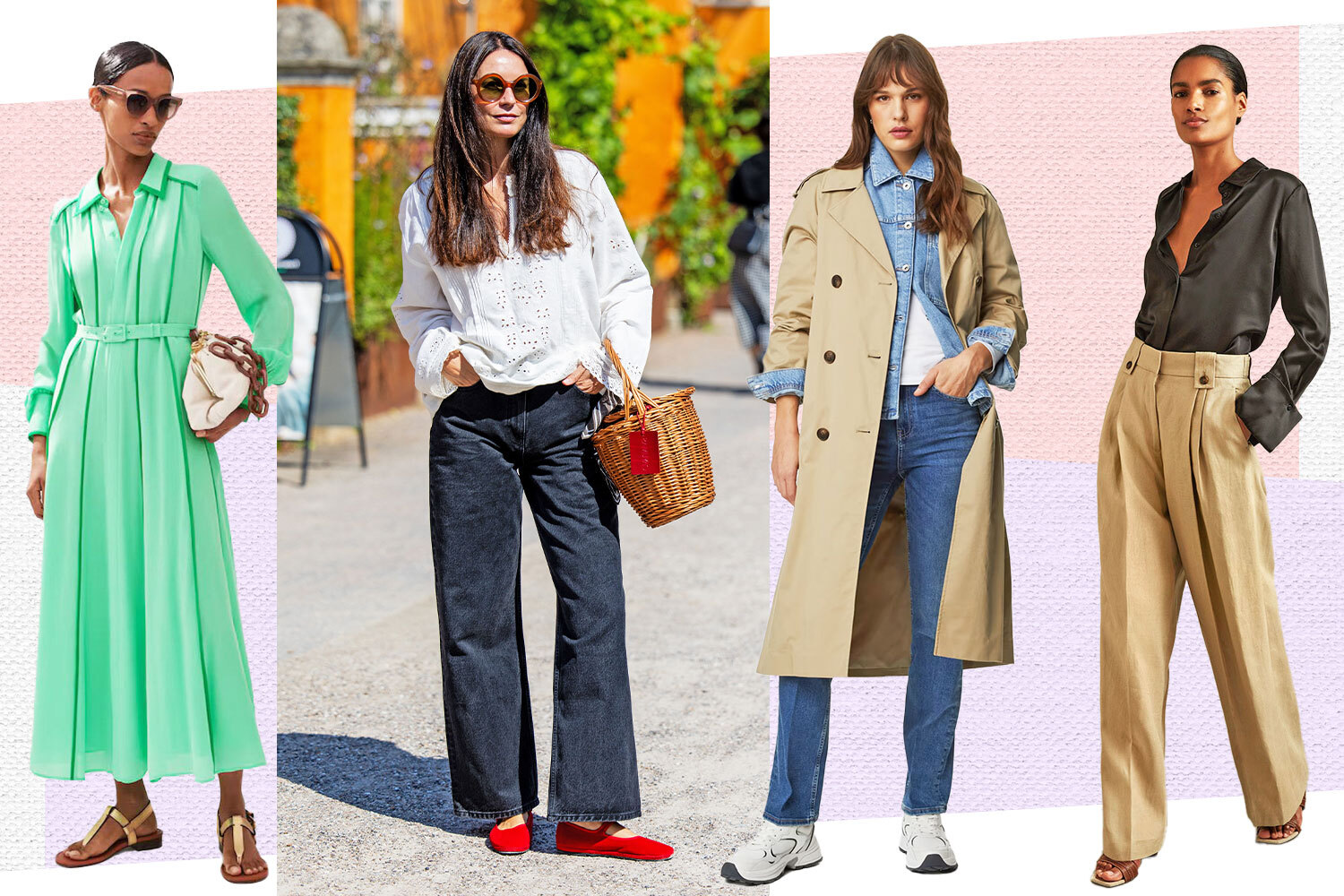
The modern professional dress code is no longer as rigid as it once was. The traditional corporate uniform of matching full suits in muted colors has given way to a more dynamic, flexible style often described as smart casual or refined business. However, this shift introduces a new challenge: how to look effortlessly polished, adaptable, and professional without owning an overwhelming number of clothes.
The secret lies in building a capsule wardrobe. By investing in high-quality, versatile pieces, you can streamline your morning routine, boost your workplace confidence, and ensure you are prepared for everything from an unexpected board meeting to an after-hours networking event.
Here are the ten wardrobe essentials every modern professional needs to build a timeless, sophisticated, and functional closet.
1. The Tailored Blazer
A well-fitted blazer is the ultimate anchor of a professional wardrobe. It possesses the unique ability to instantly elevate almost any outfit. When paired with tailored trousers, it creates a crisp, authoritative look; when worn over a simple knit or dark-wash denim, it strikes the perfect balance for a casual Friday.
When selecting a blazer, prioritize fit above all else. The shoulders should align perfectly with your own, and the sleeves should hit just at the wrist bone. Navy blue, charcoal gray, or classic black are the best foundation colors because they pair seamlessly with almost any color palette. Look for breathable materials like wool blends for year-round wear, or lightweight linen and cotton for warmer climates.
2. Crisp Button-Down Shirts
The classic button-down shirt remains a non-negotiable cornerstone of professional attire. A pristine white button-down and a light blue variant are the absolute minimum requirements. These shirts serve as a clean canvas, working beautifully under blazers, crewneck sweaters, or on their own.
Fabric choice dictates both the comfort and longevity of the shirt. High-quality cotton or a cotton-twill blend offers a structured look that resists excessive wrinkling throughout the workday. For a slightly more relaxed yet sophisticated drape, silk or high-end rayon shirts work beautifully. Ensure the collar stays sharp and the fit is tailored without pulling at the chest or buttons.
3. Slim-Fit Trousers
A pair of perfectly tailored trousers bridges the gap between formal and contemporary style. Moving away from the baggy pleats of the past, modern professional trousers favor a slim, straight, or subtle wide-leg silhouette that flatters the frame while maintaining comfort.
Opt for neutral tones such as black, navy, or olive green. The hem should hit right around the ankle bone, allowing you to showcase your footwear, whether you prefer loafers, oxfords, or elegant flats. Materials with a slight stretch component ensure that you remain comfortable during long hours sitting at a desk or commuting.
4. The Versatile Midi Dress or Structured Sheath
For an all-in-one outfit that exudes competence and style, a structured dress is indispensable. A midi-length dress or a classic sheath dress offers a streamlined silhouette that eliminates the guesswork of matching tops and bottoms on busy mornings.
Look for designs with modest necklines and hemlines that fall at or just below the knee. Monochromatic tones or subtle, non-distracting patterns work best in professional environments. You can easily transition this piece from a daytime presentation to a formal dinner by simply swapping a daytime blazer for elegant jewelry.
5. High-Quality Knitwear
Layering is key to navigating unpredictable office temperatures. Fine-gauge knitwear, such as a lightweight merino wool or cashmere sweater, adds texture and warmth to your wardrobe without adding bulk.
Crewneck, V-neck, and refined turtleneck styles all have a place in the modern workspace. A sleek black or cream turtleneck underneath a blazer offers a sophisticated, modern look that works exceptionally well in late autumn and winter. Ensure the knit is tightly woven to prevent sheerness and maintaining a professional appearance.
6. Dark-Wash Premium Denim
As office environments become increasingly casual, denim has earned a permanent spot in the professional wardrobe. However, not all jeans are created equal. Professional denim must be immaculate, free of distressing, fraying, or heavy fading.
A straight-leg or slim-cut jean in a deep indigo or solid black hue mimics the structure of formal trousers while providing the comfort of denim. Pair these with a tucked-in button-down shirt and a structured blazer to ensure the overall aesthetic remains firmly rooted in professionalism rather than weekend leisure.
7. The Classic Trench or Overcoat
Your outerwear is the very first impression you make when walking into an office building or a client meeting. An ill-fitting or overly casual jacket can instantly detract from a sharp outfit underneath. A classic trench coat for transitional weather or a structured wool overcoat for winter is a vital investment.
A double-breasted trench coat in camel, beige, or black provides a timeless, weatherproof layer that looks tailored and intentional. In colder months, a knee-length wool coat ensures you arrive at your destination looking warm, collected, and thoroughly professional.
8. Sophisticated Leather Footwear
We spend hours on our feet, meaning professional footwear must balance aesthetic appeal with genuine comfort. A modern wardrobe requires at least two distinct pairs of high-quality leather shoes.
For a classic masculine or gender-neutral aesthetic, leather oxfords, derbies, or sleek leather loafers are essential. For a feminine aesthetic, a low block heel, elegant pointed-toe flats, or minimalist leather ankle boots offer versatility. Stick to high-quality leather or suede in black, tan, or burgundy, and ensure they are regularly polished and maintained.
9. A Structured Work Tote or Briefcase
A flimsy backpack or an oversized, shapeless canvas bag can detract from an otherwise sharp professional appearance. A structured bag made of leather or durable, high-density nylon keeps your daily essentials organized while complementing your outfit.
The ideal professional bag should have dedicated compartments for a laptop, documents, and personal items, ensuring you never have to fumble through a disorganized clutter during a meeting. Neutral tones like black, chocolate brown, or tan ensure the bag coordinates effortlessly with every item in your closet.
10. A High-Quality Leather Belt
The transformative power of a simple, high-quality leather belt is often underestimated. A belt binds an outfit together, defining the waistline and adding a finished, intentional touch to tucked-in shirts and trousers.
Match the color of your belt to the color of your primary professional shoes to create visual harmony. The buckle should be minimalist and sleek, avoiding oversized logos or overly flashy hardware. A reversible belt featuring black on one side and brown on the other is an excellent way to maximize utility within a minimal wardrobe footprint.
Frequently Asked Questions
How can I transition my wardrobe from a very formal corporate environment to a creative professional one?
The easiest way to transition is by mixing formal pieces with casual elements. Keep your tailored blazers and structured trousers, but swap the formal button-down shirts for high-quality t-shirts, fine knits, or subtle prints. You can also introduce more relaxed footwear, such as minimalist leather sneakers or loafers, to soften the overall appearance.
What is the ideal ratio of tops to bottoms when building a professional capsule wardrobe?
A good rule of thumb for a functional capsule wardrobe is a 3-to-1 ratio. You should aim to own roughly three tops for every one bottom. Tops are more visible in daily interactions, especially in video meetings, and they tend to dictate the perceived novelty of an outfit, while a high-quality pair of neutral trousers can be worn multiple times a week without notice.
How do I properly care for high-end professional fabrics like wool and silk without constant dry cleaning?
Frequent dry cleaning can actually degrade natural fibers over time due to the harsh chemicals involved. Instead, invest in a handheld garment steamer to remove wrinkles and refresh fabrics between wears. Spot-clean minor stains immediately, allow wool suits and sweaters to air out for 24 hours before hanging them back in the closet, and use cedar blocks to naturally repel moths.
Are sneakers ever acceptable in a modern professional wardrobe?
Yes, but with strict caveats. Sneakers are acceptable in smart-casual or creative professional environments if they are completely clean, minimalist, and made of high-quality leather or suede. Avoid athletic running shoes, bright colors, or prominent branding. Pair them with tailored trousers and a blazer to maintain a clear professional boundary.
How can I incorporate color into my professional wardrobe if it consists mostly of neutrals?
Neutrals provide the foundation, but color adds personality. The safest way to introduce color is through accents and secondary layers. Consider a jewel-toned silk blouse under a navy blazer, a emerald green knit sweater, or subtle patterns in your ties and scarves. Keeping the brightest color confined to one piece ensures the outfit remains cohesive.
How many suits does a modern professional actually need to own?
If you work in a traditional corporate environment like law or finance, owning three to four high-quality suits is ideal. However, for most modern professionals working in hybrid or casual environments, one or two versatile suits are entirely sufficient. You can separate the jacket and trousers to use them as separates, multiplying your outfit options.
What should I look for in terms of garment construction to ensure my clothes last for years?
Look for tight, even stitching, reinforced buttons, and smooth zippers. Check the fabric composition tags; natural fibers like wool, cotton, silk, and linen generally wear better and last longer than heavy synthetics. Inside the garment, look for finished seams rather than raw, fraying edges, which indicates care in manufacturing.