

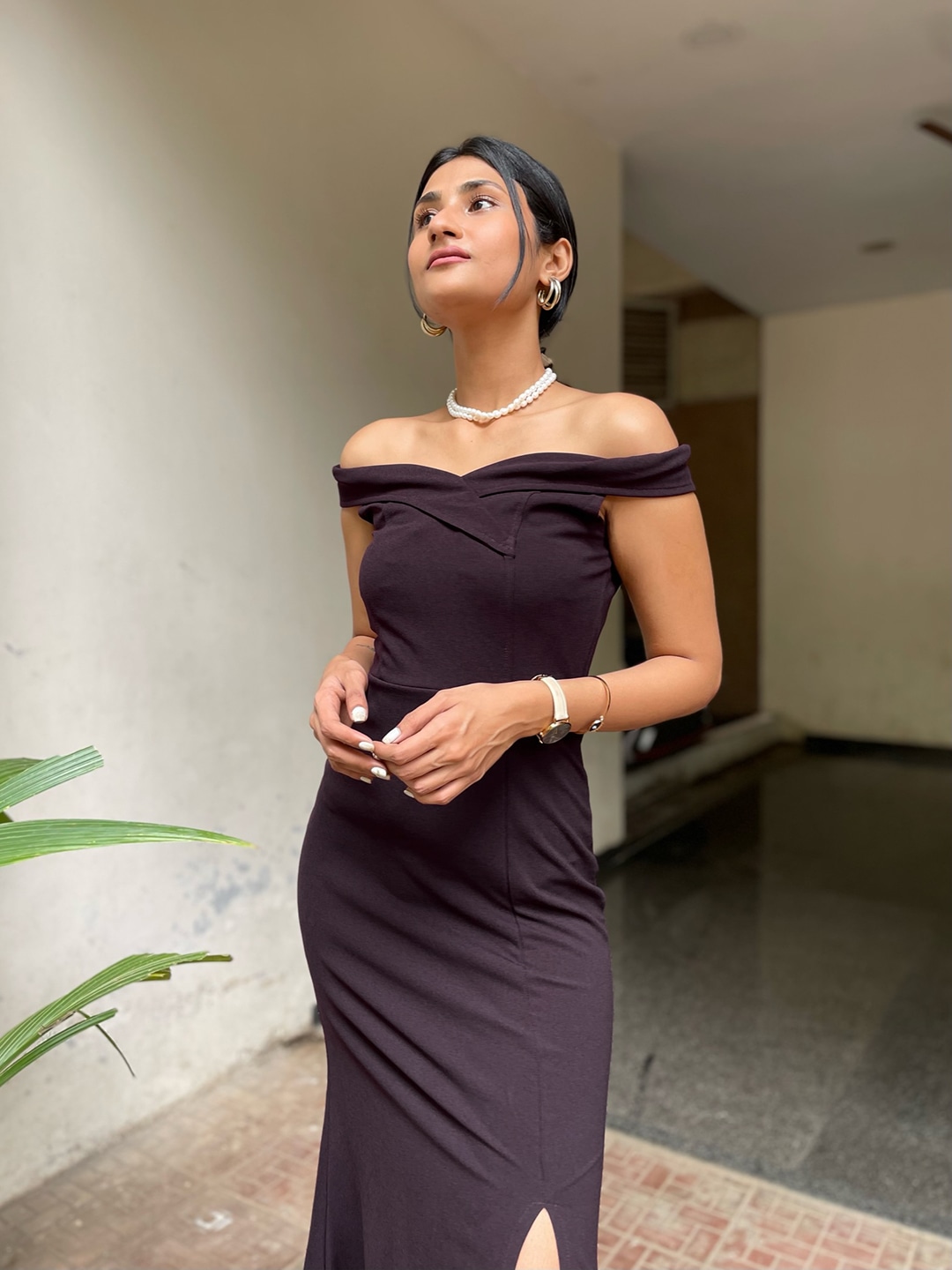
Understanding how different dress cuts interact with the human frame is one of the most transformative skills in personal styling. Fashion is an art of visual balance, geometry, and optical illusion. A dress that looks striking on a store hanger might feel underwhelming when tried on, while a silhouette that appears simple can instantly look magnificent when it aligns properly with your body shape.
The goal of Dressing for your unique frame is not to conform to an arbitrary societal standard, but rather to understand your natural proportions and use clothing to highlight your favorite features. By identifying the geometric tendencies of your body, you can confidently navigate retail spaces, bypass fleeting micro-trends, and invest in timeless dresses that make you feel confident, balanced, and elegant.
Deconstructing the Five Primary Body Shapes
Before diving into the mechanics of dress silhouettes, it is essential to map the contours of your own frame. Human bodies are beautifully diverse, but from a styling perspective, they generally fall into five foundational categories based on the relationship between the shoulders, bust, waist, and hips.
-
The Hourglass Shape: Defined by structural symmetry. The shoulders and hips are roughly equal in width, punctuated by a significantly narrower, highly defined waistline.
-
The Pear or Triangle Shape: Characterized by a lower-body focus. The hips and thighs are visibly wider than the shoulders and bust, often accompanied by a slender torso and elegant collarbones.
-
The Rectangle or Athletic Shape: Rooted in straight lines. The shoulders, waist, and hips are of relatively equal width, creating a sleek, athletic silhouette with minimal waist definition.
-
The Inverted Triangle Shape: Top-heavy by nature. The shoulders or bust are noticeably broader than the hips and thighs, often featuring straight, slender legs.
-
The Apple or Round Shape: Centered around the midsection. The weight is primarily carried around the torso and upper body, often with an undefined waist, an ample bust, and slender legs or arms.
Essential Dress Silhouettes Explained
Once you understand your foundational shape, you can begin matching it with the perfect dress architecture. Here is how the most iconic dress silhouettes perform across different body types.
The Universal A-Line
The A-line dress is a legendary silhouette characterized by a fitted bodice that gradually flares out from the natural waist down to the hem, mimicking the shape of a capital letter A.
This cut is universally flattering because it skims smoothly over the lower half of the body without adding bulk. For the Pear shape, an A-line dress is an absolute staple, as it highlights a slender waist while gliding effortlessly over wider hips. For the Rectangle shape, the flare of the skirt creates a beautiful illusion of curves where they may not naturally exist.
The Structured Sheath and Column
Sheath and column dresses feature a straight, form-fitting cut that traces the body’s natural lines from the shoulders to the hem. The primary difference is that a sheath dress typically hits at the knee and features distinct waist shaping, while a column dress is often floor-length and entirely straight.
These silhouettes look spectacular on Hourglass shapes, as they celebrate the natural symmetry of the body. They are also highly effective for athletic, Rectangle shapes who want to emphasize a long, lean, and continuous vertical line, creating a look of refined, minimalist sophistication.
The Iconic Wrap Dress
Invented to provide functional elegance, the wrap dress features a front closure that wraps one side of the fabric over the other, securing at the side of the waist with a tie or a button. This creates a natural V-neckline and an adjustable cinched waist.
The wrap dress is a magnificent choice for the Apple shape, as the deep V-neckline draws the eye vertically away from the midsection, while the adjustable tie can be fastened just below the bust line, establishing a new, narrow waist point. Hourglass and Pear shapes also thrive in this silhouette, as it effortlessly conforms to their natural curves.
The Imperial Empire Waist
An Empire dress features a high waistline that sits directly underneath the bust, from which the rest of the fabric falls loosely down to the floor or knee in a long, continuous drape.
This silhouette is highly strategic for Inverted Triangle and Apple shapes. For the Apple shape, the loose fabric completely bypasses the midsection, ensuring comfort and a streamlined aesthetic. For the Inverted Triangle shape, the fabric flowing from the bust can add soft volume to the lower half, balancing out broad shoulders.
The Dramatic Fit-and-Flare
Similar to the A-line but with far more structural volume, the fit-and-flare dress features a tightly tailored bodice down to the waist, where it meets a full, often pleated or gathered skirt that pops outward dramatically.
This silhouette is an exceptional tool for creating visual balance. For Inverted Triangle shapes, the volume of the full skirt perfectly counters the width of broad shoulders, instantly establishing an hourglass illusion. For Rectangle shapes, it breaks up straight lines by injecting dramatic, feminine curves into the overall profile.
Tailoring Tips for the Ultimate Fit
Even when you select the correct silhouette, off-the-rack garments rarely fit perfectly right out of the store. Small, strategic modifications by a professional tailor can elevate an average-looking dress into a custom-made masterpiece.
-
Mind the Hems: A hemline that hits at the widest part of your calf can make you look shorter and heavier. Aim for hemlines that land either just above the knee, at the narrowest part of the leg below the knee, or completely at the ankle bone.
-
The Shoulder Aligns Everything: Ensure the shoulder seams of a structured dress rest perfectly where your natural shoulder ends. If the shoulder seam droops, it ruins the architecture of the entire dress, regardless of your body shape.
-
Don’t Fear Sizing Up: Always buy a dress that fits the largest part of your body perfectly. It is incredibly easy for a tailor to take in excess fabric at the waist or bust, but it is nearly impossible to add fabric to a dress that is too tight across the hips or shoulders.
Frequently Asked Questions
How do I determine my body shape if my measurements fall right between two different categories?
It is incredibly common to be a hybrid of two different body shapes, such as a Pear-Hourglass or a Rectangle with subtle Hourglass tendencies. When this happens, focus on dressing for your primary objective. If your main goal is to balance out a slightly wider hip, follow Pear styling rules. If your goal is to highlight your structural symmetry, look toward Hourglass silhouettes. Always trust what you see in the mirror over rigid measurement charts.
Can shorter individuals wear maxi dresses, or do long silhouettes make them look shorter?
Shorter or petite individuals can absolutely wear maxi dresses, and in fact, long dresses can make a person look significantly taller. The key is to look for a monochromatic column or a sleek sheath silhouette that creates an uninterrupted, continuous vertical line of color. Avoid oversized, voluminous prints or horizontal color blocking, which can segment the body and create a shorter appearance.
What dress silhouettes are best suited for concealing a prominent lower belly pooch?
The most effective options are A-line dresses made of medium-weight fabrics like structured cotton or wool crepe, and empire waist dresses that drape loosely over the torso. Avoid slinky, bias-cut silk or polyester slip dresses, as these fabrics naturally cling to every contour of the body. Dresses with strategic ruching or draping across the stomach area are also excellent for providing camouflage while maintaining a sleek silhouette.
How does fabric choice affect the success of a specific dress silhouette on a body shape?
Fabric performance is just as critical as the cut itself. A structured silhouette like a fit-and-flare requires a crisp, stiff fabric like taffeta or heavy jacquard to maintain its shape. If made of a flimsy jersey knit, the skirt will collapse, losing its balancing properties. Conversely, a fluid drape like a wrap dress relies on lightweight, elastic materials like silk, jersey, or viscose to mold beautifully to the body’s natural curves.
Are trend-focused dresses like oversized shirt dresses flattering for all body shapes?
Oversized shirt dresses are inherently boxy and relaxed, making them easiest to wear out-of-the-box for Rectangle and Athletic frames. However, they can easily swallow an Hourglass or Pear shape, making them look heavier than they are. If you love this trend but want to maintain your proportions, simply add a sleek leather belt to cinch the waist, transforming the boxy garment into a flattering fit-and-flare silhouette.
How should a person with a short torso adjust their dress selection?
If you have a short torso, your ribs sit very close to your hip bones. To create the optical illusion of a longer torso, avoid high-waisted or empire-cut dresses. Instead, look for drop-waist dresses, shift dresses that hang straight from the shoulders, or dresses with deep V-necklines. These design elements draw the eye downward, visually elongating your upper body.