

The global fashion landscape has undergone a massive transformation over the past few decades. The rise of industrial-scale retail manufacturing has made it possible to buy cheap, trendy clothing at the click of a button. Retail conglomerates churn out thousands of new styles every week, mimicking the latest runway designs almost in real time. For a while, this democratization of fashion felt like a win for consumers who wanted to stay ahead of the style curve without spending a fortune.
However, the initial novelty of ultra-cheap clothing has worn off. Consumers are increasingly waking up to the hidden costs of mass production, including structural homogenization, deteriorating fabric quality, and severe environmental degradation. As a reaction against this hyper-accelerated consumer culture, a growing movement is championing a slower, more intentional approach to personal style. Shopping at independent boutiques is no longer just an alternative shopping method; it is a vastly superior experience that elevates your wardrobe, respects your individuality, and supports a healthier economic ecosystem.
The Undeniable Quality Gap
One of the most immediate differences you notice when comparing mass-market garments to independent boutique pieces is the material integrity and craftsmanship. Mass production facilities rely heavily on cheap synthetic fibers such as polyester, nylon, and acrylic. These petroleum-based textiles are inexpensive to manufacture, but they lack breathability, trap odors, and are notorious for shedding microplastics in the wash. Furthermore, the speed required to meet massive production quotas results in sloppy stitching, misaligned patterns, and weak seams that unravel after just a few trips through the washing machine.
Independent boutiques operate on a completely different ethos. Because they curate small batches or source from independent designers, they prioritize high-quality natural fibers such as organic cotton, linen, silk, alpaca, and merino wool. These materials feel superior against the skin, regulate temperature naturally, and age beautifully over time.
Boutique clothing is built with structural longevity in mind. You will frequently find high-end tailoring details that mass retailers skip to cut costs, such as:
-
Finished and bound internal seams that prevent fraying.
-
Generous hem allowances that allow you to tailor the garment to your exact height.
-
Reinforced buttonholes and sturdy hardware that do not break under normal tension.
-
Pattern matching at the seams, ensuring that stripes or checks align flawlessly across the garment.
Investing in boutique pieces means buying garments that will remain staples in your wardrobe for years, rather than disintegrating within a single season.
Escaping the Copy-Paste Style Epidemic
Walk into any major shopping mall or scroll through a prominent online marketplace, and you will notice a striking lack of originality. Mass-market brands rely on identical trend forecasting algorithms. Consequently, they all produce virtually the same silhouettes, colors, and patterns simultaneously. This creates a cultural homogenization where everyone ends up looking like a carbon copy of the same social media feed.
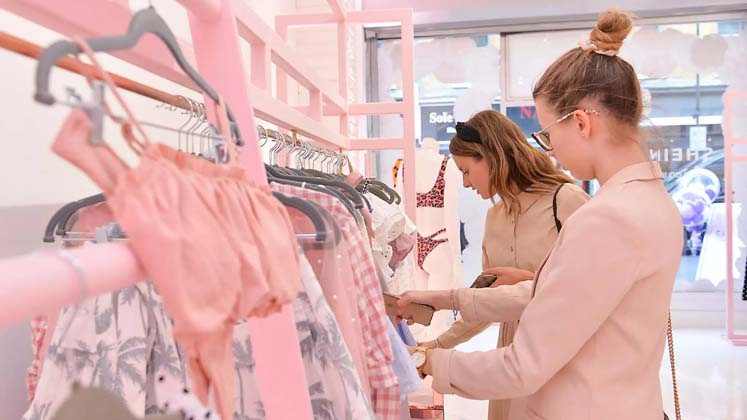
Independent boutiques are the antidote to this stylistic conformity. Boutique owners act as professional curators, handpicking items from independent designers and niche global labels that you cannot find in major department stores. They often stock only a few pieces of each size, minimizing the chances of you showing up to a wedding, party, or business meeting wearing the exact same outfit as someone else.
Shopping at a boutique allows you to develop a genuinely authentic signature style. Instead of chasing fleeting micro-trends that expire in a matter of weeks, boutiques tend to focus on timeless aesthetics with unique, artistic twists. You can find unusual drapes, striking asymmetrical cuts, hand-dyed textiles, and statement hardware that transform a simple outfit into a conversation piece.
The Economics of Supporting a Local Community
When you purchase a shirt from a massive corporate retailer, your money flows directly into a complex web of corporate executives, shareholders, and massive marketing budgets. Very little of that capital trickles down to the laborers who made the garment, and virtually none of it benefits your local community.
Conversely, supporting independent boutiques keeps money circulating within local and creative economies. Boutique owners are often your neighbors, passionate fashion enthusiasts who have poured their life savings into creating a beautiful space in your town or city.
When you purchase from them, your money directly helps:
-
Pay local commercial rents and taxes, which fund public parks, libraries, and infrastructure.
-
Provide meaningful employment with fair working conditions for local sales staff and visual merchandisers.
-
Support independent fashion designers who rely on small-batch wholesale orders to keep their creative studios afloat.
-
Keep high streets vibrant and distinct, preventing historic downtown commercial districts from being entirely overrun by monotonous corporate chains.
Personalized Service Over Algorithmic Recommendations
The modern mass retail experience is incredibly impersonal. In physical stores, you are often left to navigate messy, disorganized racks entirely on your own, with overworked employees who lack product knowledge. Online, you are guided by cold, predictive algorithms that suggest items based solely on data tracking.
Independent boutiques pride themselves on providing human-centric customer service. Boutique owners and their staff intimately understand their inventory. They know how different fabrics drape, which designers run large or small, and how to style a single piece in multiple ways.
When you walk into an independent boutique, you receive a tailored styling experience:
-
Honest, constructive feedback on fit and silhouette rather than a rushed sales pitch.
-
Custom sourcing opportunities, where owners can sometimes track down a specific size or color directly from the designer for you.
-
A relaxed, hospitable environment free from aggressive sales targets, often complete with a complimentary beverage and a welcoming conversation.
This personalized approach builds a long-term relationship. Over time, a boutique owner learns your stylistic preferences and body type, frequently putting pieces aside for you when new collections arrive.
Environmental and Ethical Accountability
The environmental footprint of mass apparel manufacturing is catastrophic. The industry produces millions of tons of garment waste annually, much of which ends up incinerated or in landfills in the global south. To keep prices artificially low, production is frequently outsourced to countries with lax environmental regulations and minimal labor protections.
Independent boutiques generally operate on a slower, more transparent supply chain model. While not every boutique is strictly organic, their small-batch operational model inherently reduces waste. Because they do not overproduce tens of thousands of units of a single style, they rarely face the massive unsold deadstock problem that plagues large retailers.
Furthermore, boutique owners are highly accessible. You can walk into their shop and ask directly about where a garment was manufactured, who made it, and what materials were used. This level of accountability forces a cleaner supply chain, encouraging ethical labor practices and environmental mindfulness that corporate conglomerates simply cannot match.
Frequently Asked Questions
Boutique clothing is significantly more expensive than mass retail. How can I justify the higher cost?
The higher upfront cost is justified through the concept of cost-per-wear. A cheap shirt might cost twenty dollars, but if it shrinks, loses its shape, or rips after three washes, its cost-per-wear is exceptionally high. A hundred-dollar boutique blouse made of high-quality cotton that lasts for fifty wears over several years is far more economical in the long run. You are paying for longevity, premium materials, and ethical production.
How can I find independent boutiques if I live in an area dominated by major malls and chain stores?
Many exceptional independent boutiques have established robust digital storefronts. You can discover them by exploring independent retail directories online, searching for specific independent designers and looking at their stockist lists, or using social media location tags for creative neighborhoods in nearby cities. Many boutiques offer shipping and easy return policies for regional customers.
Do independent boutiques cater to plus-size or inclusive sizing options?
Historically, independent boutiques had a reputation for carrying limited size ranges due to the financial constraints of small-batch manufacturing. However, the modern boutique landscape has changed significantly. There are now numerous independent boutiques dedicated exclusively to inclusive sizing, and many contemporary boutiques actively prioritize partnering with designers who offer extended size ranges from the outset.
How do independent boutique return policies compare to large corporate retailers?
Because independent boutiques operate on much smaller profit margins, their return policies are typically stricter than those of corporate giants. They may offer store credit or exchanges within a specific timeframe rather than immediate cash refunds. It is always wise to ask about their policy at the register or review their website terms before finalizing a purchase.
How often do independent boutiques get new inventory compared to fast fashion stores?
Mass retailers receive shipments multiple times a week to fuel a culture of constant consumption. Independent boutiques generally align with traditional fashion cycles, receiving major collections for Spring/Summer and Autumn/Winter, supplemented by smaller monthly drops. This slower cadence means the store environment remains curated and deliberate, allowing you time to contemplate your purchases.
How do I properly maintain boutique garments to ensure they last for years?
Because boutique clothing often features natural fibers like wool, silk, and linen, they require more intentional care. Always read the care label inside the garment. Many natural fibers do not need to be washed after every single wear; airing them out or using a garment steamer can refresh them. When washing is necessary, opt for gentle detergents, cold water cycles, or hand washing, and always air dry flat rather than using a high-heat machine dryer.